

All about Celtic coins
The story of Celtic coinage
A Mediterranean idea
Coins were a Mediterranean idea conceived in Lydia c.6th century BC. They remained in the Mediterranean until Northern Gaul, Iberia and Britain wanted to trade with the Greeks and Romans. Gaul’s first gold coins were copied from Philip II of Macedon’s gold staters.
Britain's first coins
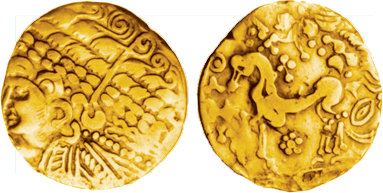
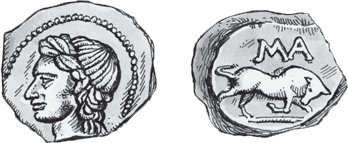
Britain’s first regular home-made coins were bronze coins copying those of Massalia (Marseilles). Made in Cantion (Kent) c.120-100 BC, they circulated alongside gold coins imported from Gaul. During the Gallic Wars, 58-51 BC, many other Gaulish coins – gold, silver, bronze – came to Britain, some brought by refugees, others by mercenaries and merchants.
North of the River Thames
The main rivals of the Regini and Atrebates were the Catuvellauni of Hertfordshire. Their first known ruler was Cassivellaunos who fought Caesar in 54 BC. Many of Britain’s earliest gold coins were probably struck to fund resistance to Caesar and then to pay tribute to him. Addedomaros was the first ruler north of the Thames to inscribe his coins, perhaps copying Commios.
South of the River Thames
Britain’s most famous refugee was Commios, a former ally of Caesar. He ruled the Regini and Atrebates in southern Britain c.50-25 BC and was the first British king to place his name on coins. His three sons – Tincomarus, Eppillus, Verica – made the Commian dynasty the most powerful south of the Thames. Most of their coins adopted Roman imagery.
King of the Britons
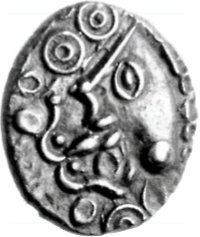
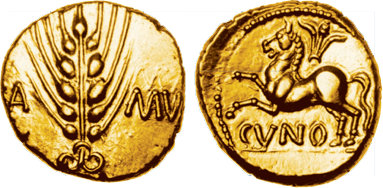
The Catuvellauni expanded under Tasciovanos. His son Cunobelinus was the most potent tribal king in Atlantic Europe. Suetonius called him ‘king of the Britons’. When Epaticcus and Caratacus attacked the Atrebates, king Verica fled to Claudius who invaded Britain in AD 43. The minting of tribal coins ceased shortly afterwards. For more info ask liz@celticcoins.com or read Britain’s First Coins.
Tribal Focus
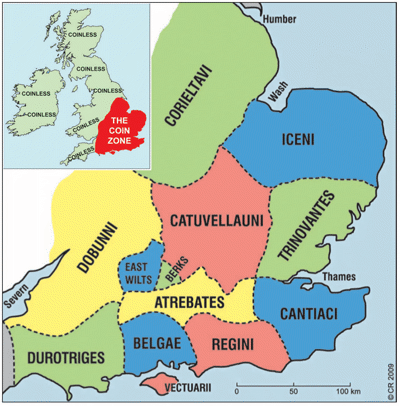
The tribal vibe of Celtic coins is something special with each tribe having its own distinctive coinage, so unlike the blanket blandness and universal uniformity of national coins today. Some coins carried tribal symbols. For the approximate location of the sixty tribes of Britain and Ireland, including those that minted coins, plus possible mint sites, see my map Tribes of the British Isles belowon the right.
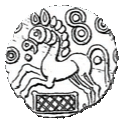
Some example of tribal symbols
Cantiaci fishing net (ABC 177)
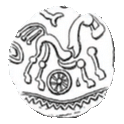
Three-tailed horse of the Regini & Atrebates (ABC 488)
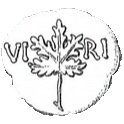
Verica’s vine leaf (ABC 1193)
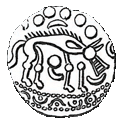
Iceni wolf (ABC 1393)
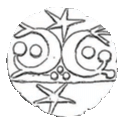
Iceni moons (ABC 1450)
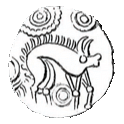
Corieltavi boar (ABC 1782)
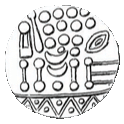
Durotriges disjointed horse (ABC 2157)
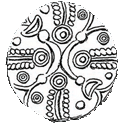
Catuvellauni moons and hidden faces (ABC 2715)
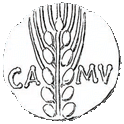
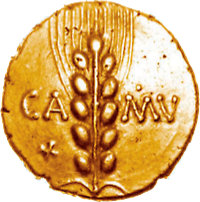
Cunobelin’s corn ear (ABC 2774)
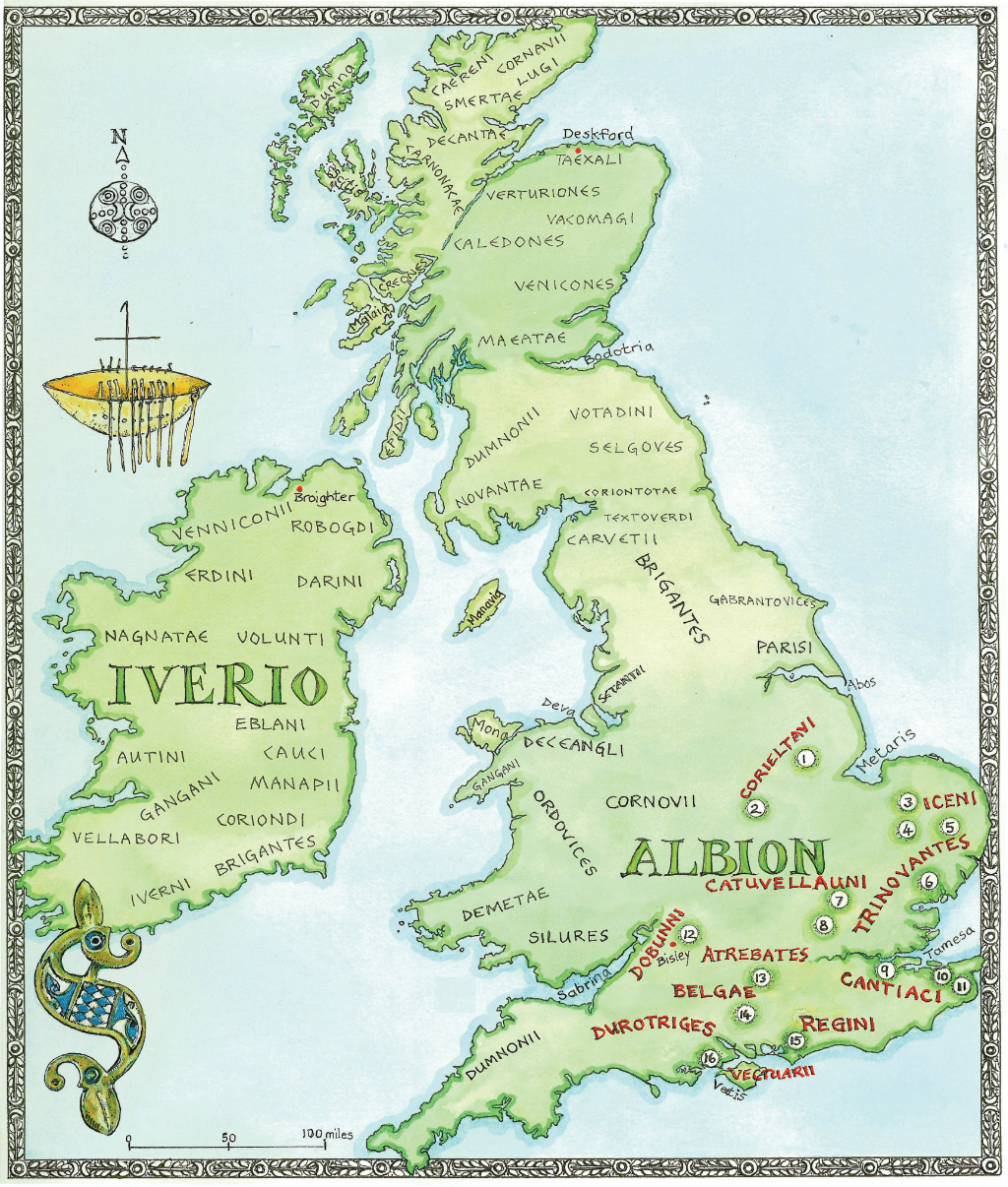
- Old Sleaford, Lincs.
- Ratae (Leicester).
- Saham Toney, Norfolk.
- Thetford, Norfolk.
- Needham, Norfolk.
- Camulodunon (Colchester), Essex.
- Braughing/Puckeridge, Herts.
- Verlamion (St Albans), Herts.
- Durobrivae (Rochester), Kent.
- Durovernon (Canterbury), Kent.
- Sego/Duno (unlocated), Kent.
- Bagendon, Glos.
- Calleva (Silchester), Hants.
- Venta (Winchester), Hants.
- near Chichester, West Sussex.
- Hengistbury Head, Dorset.
Why Liz loves Celtic coins
What’s so special about Celtic coins? What’s making them increasingly popular with collectors all over the world? We all have our own reasons for liking Celtic coins. Here are mine, says Elizabeth Cottam.
Celticity
They were produced by peoples who all spoke Celtic, the old mother tongue of so many countries in Europe. Did you know that the earliest recorded Celtic language comes from Spain?
Primal antiquity
Mostly over 2,000 years old, they were the first coins made in England, the first in France, the first in Belgium, the first in Germany, the first in Switzerland, long before these nations had a national identity.
Vast Variety
I love the vast variety of Celtic coin types. Before I joined Chris Rudd in 1998 I’d no idea there were so many. Britain alone minted 1,000 different types, as you’ll see when you look at Ancient British Coins (Chris Rudd 2010) which I co-authored.
Regality
Rulers regaled with royal coronets, diadems and golden neck torcs symbolic of their sacral kingship; the very sound of their cocky monikers – Dubnovellaunos ‘ruler of the world’, Addedomaros ‘great in chariots’ – is cheering to my ears. You’ve heard of King Arthur, King Alfred and William the Conqueror. But how many pre-Roman rulers can you name? Two? Five? Ten?
Roman love affair
I love the Roman love affair that other Celtic rulers had, importing fine Italian wine and silver tableware and copying Roman coins.
Freedom fighters
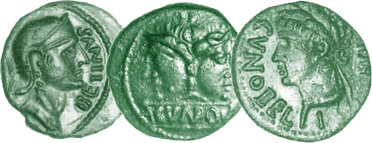
You have to admire freedom fighters on Celtic coins, those brave warrior-kings and warrior-princes who opposed the power of Rome, like Vercingetorix and Caratacus.
Hidden humour
The hidden humour of Celtic coins – all those smiley faces and those ‘now-you-see-it-now-you-don’t images’ as Van Arsdell calls them - always make us smile.
Imaginative imagery
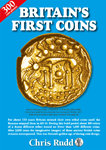
This was Britain’s golden age of daring coin design, as we say in Britain’s First Coins (Chris Rudd 2013). To get a sense of how innovative Britain’s tribal coins were – each region developed its own local style. Take a look at 'Tribal Focus' to see some examples.
Miniature masterpieces
Celtic coins are miniature masterpieces, especially silver minims. How did the ancient Brits manage to get so much detail onto an 8mm coin (smaller than your smallest fingernail)? How did they standardise the weight at ¼ gram?
Hoary hoards
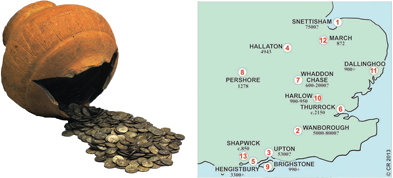
Celtic coin hoards keep hitting the headlines. No banks in those days, no ‘hole in the wall’ ATMs. So I guess folk had no choice but to dig a hole in the ground.
Mythic mystery
You can catch glimpses of long-lost legends and ancient pagan rituals such as head hunting and bull sacrificing in Celtic coinage, and feel the power of Druid priests who probably influenced the design of many Celtic coins.
Astonishing astrology
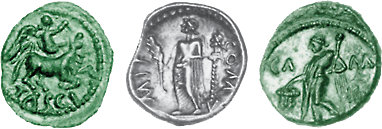
I love the astonishing astrology of Celtic coins – the galaxies of suns and moons and stars that shine and twinkle on hundreds of Ancient British coins. Once again I sense the shadowy presence of Druids.
Unpredictability
New types keep leaping out of the soil, attributions, names and dates are always being revised and Celtic studies are in a constant state of flux. I love the unpredictabilty of Celtic coins.
Uniqueness
I love the uniqueness of many Celtic coins, the exciting exclusivity of holding the only known example of an Ancient British coin in my hand. Such remarkable rarities never cease to thrill me.
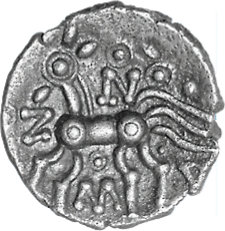
Handsome heads
The heads you see on Celtic coins are stronger, stranger, wilder, weirder, more fantastic, more surrealistic than any other coins.
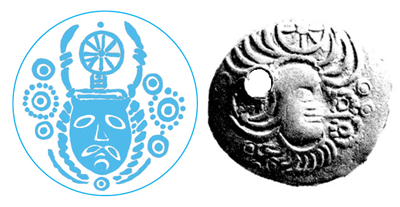
Uncommon scarcity
Ask any metal detectorist how many Ancient British coins he or she has found and you’ll immediately realise that they are much rarer than Roman coins – at least a thousand times rarer on average.
Historical importance
I love the historical importance of Celtic coins and the fact that they are helping to rewrite the history of Britain in the late Iron Age. Many of its rulers are known solely from their coins.
Amazing menagerie
I love the amazing menagerie of creatures on Celtic coins, from bulls and boars to stags and starfish.
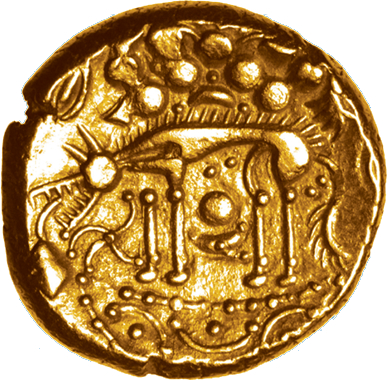
Foxy old forgeries
The ancient Celtic counterfeiters produced some wonderful foxy old forgeries. With matchless metallurgy and unrivalled guile they managed to make plated gold staters look and feel like solid gold staters.
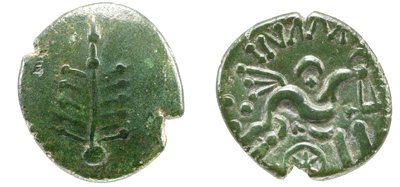
Galloping good value
The greater rarity of these horsey coins doesn’t mean that Celtic coins are costlier than other ancient coins. In fact, they are often cheaper. For example, a very fine British gold stater typically costs less than half the price – sometimes even a third of the price – of a Roman aureus or English gold noble of comparable quality and rarity. Celtic coins are, in my opinion, undervalued coins.
